January 30, 2026
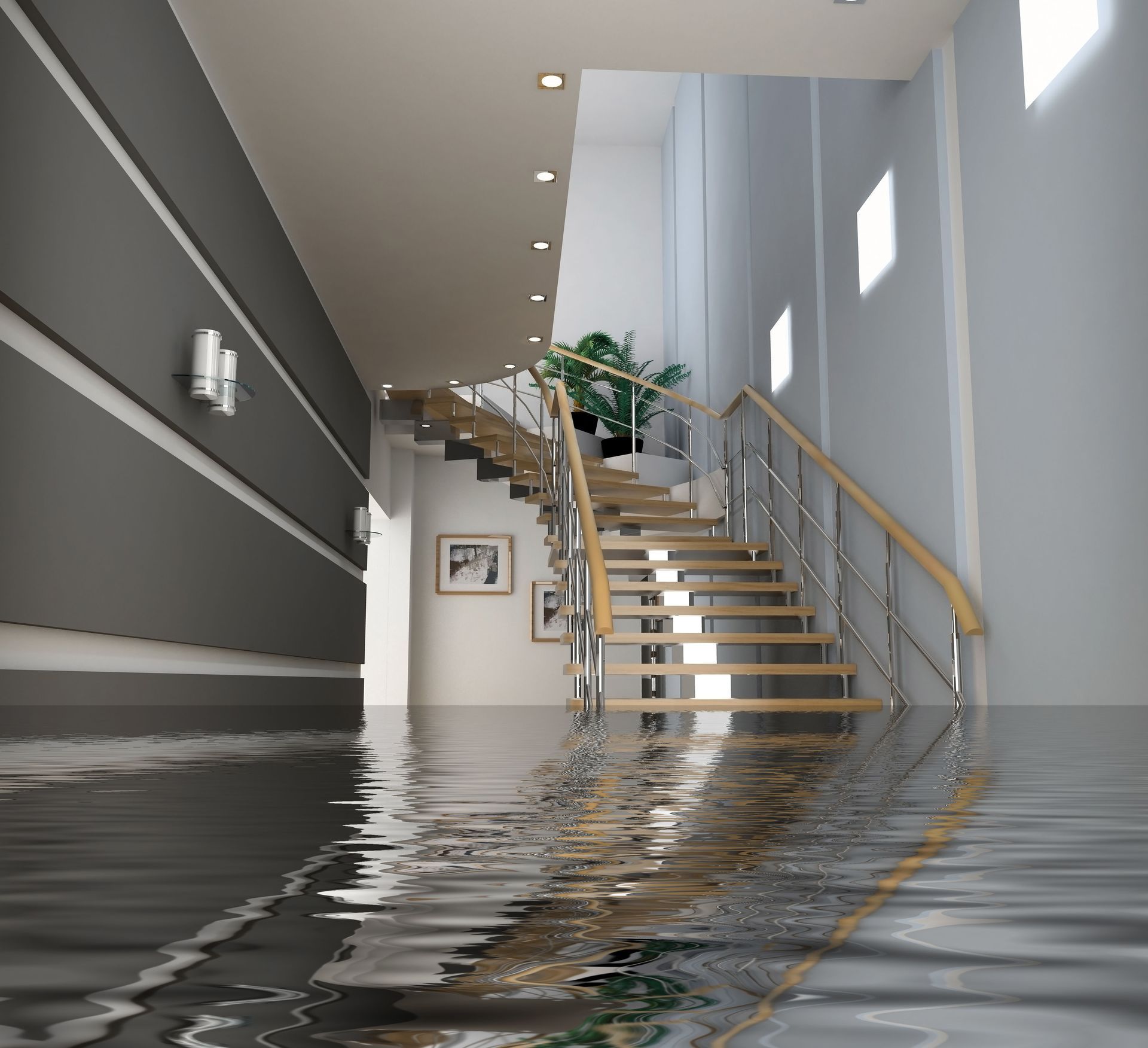
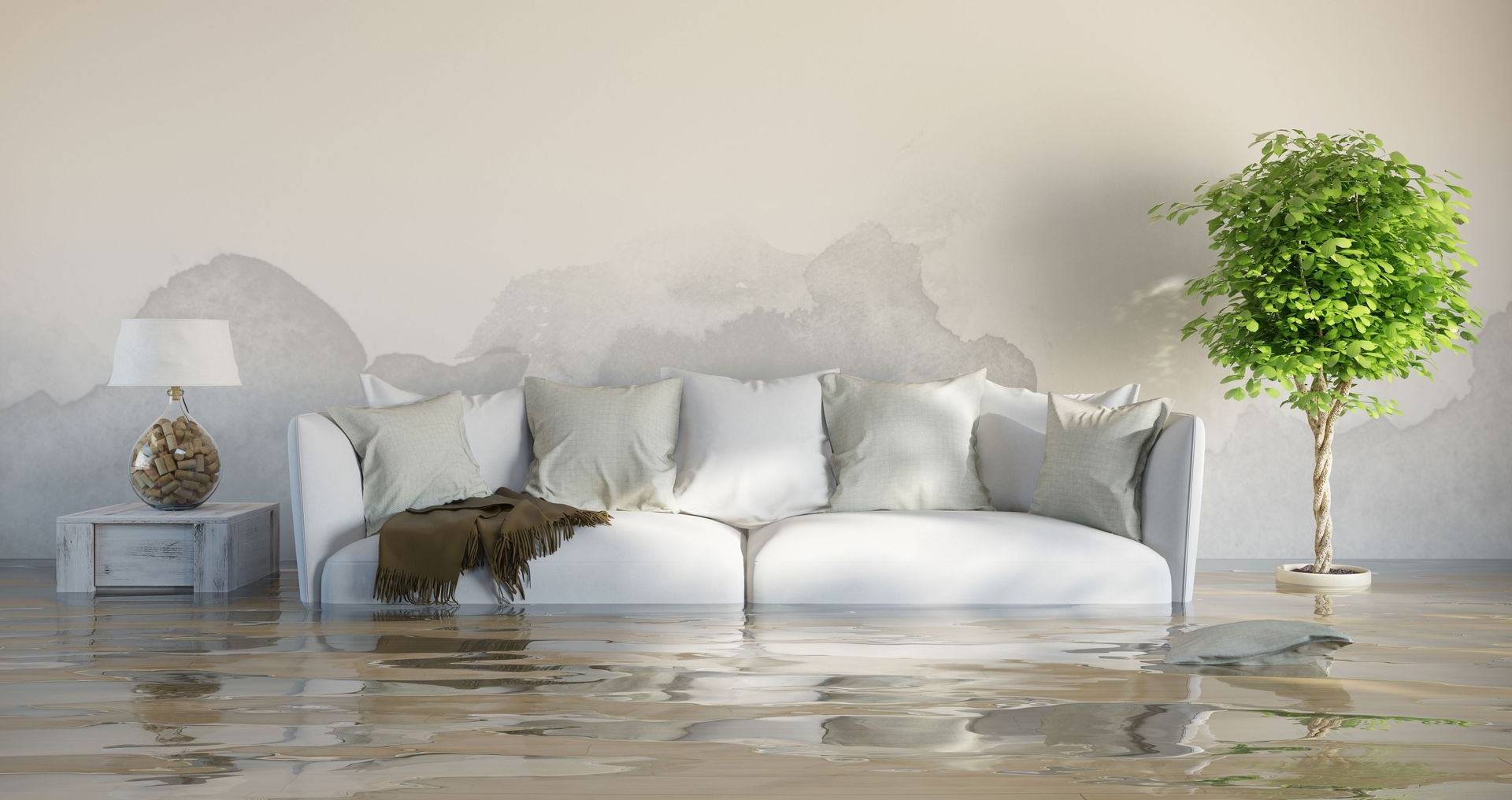
Water damage can wreak havoc on a home if not addressed promptly and appropriately. This article explores essential water damage remediation services that can help homeowners protect their investments and maintain a safe, dry living environment. Ignoring water issues can lead to extensive repairs that are both time-consuming and costly. Homeowners need to be aware of the signs and act immediately to prevent long-term damage. Understanding water damage remediation services can empower you to maintain the integrity and safety of your property.
1. Initial Damage Assessment and Inspection
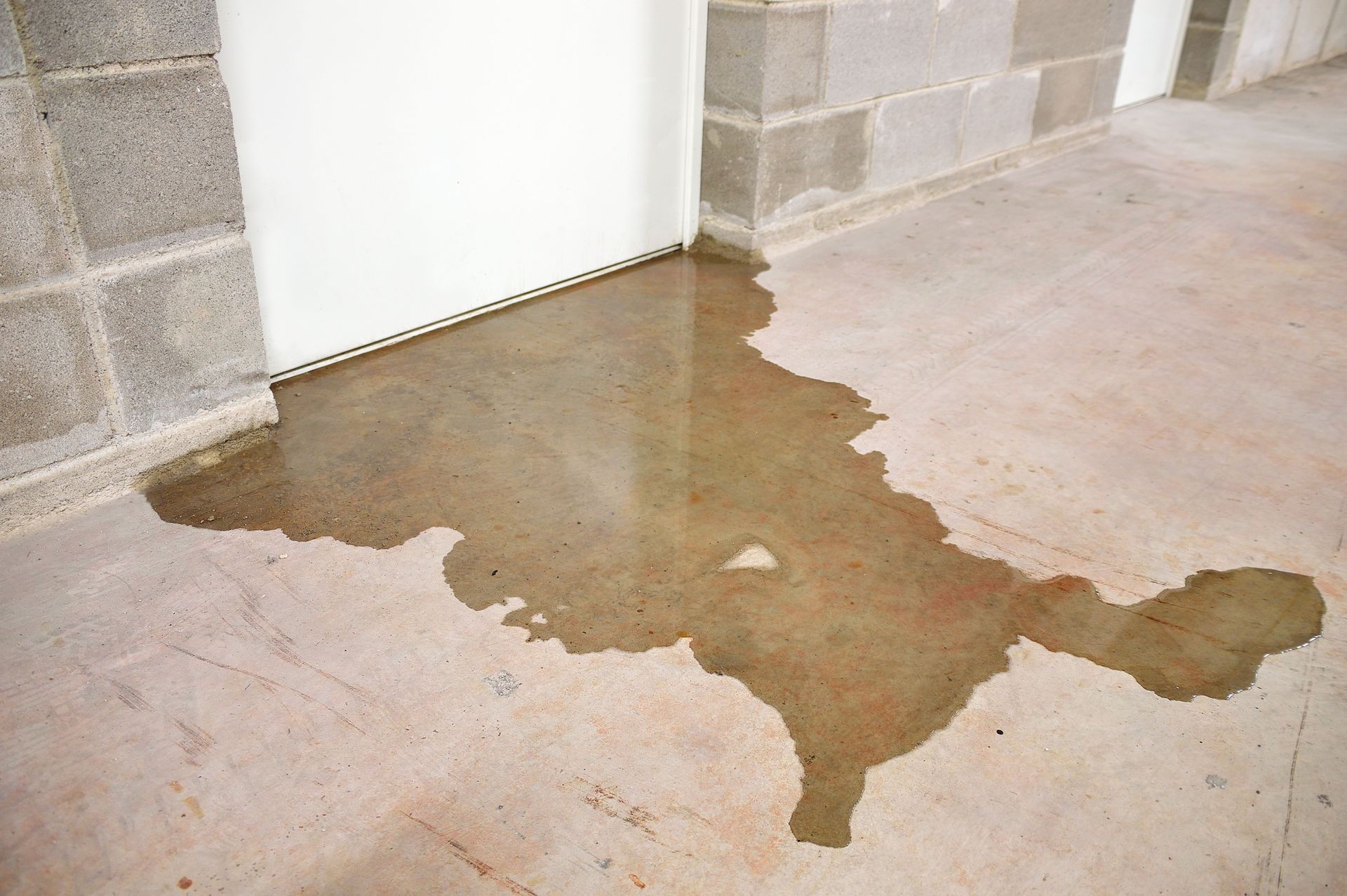
Common sources of water damage include plumbing leaks, roof leaks, and floods. Professionals use specialized equipment to accurately locate the origin of water intrusion. By identifying the source quickly, they can minimize potential damage and begin remediation efforts promptly. It is crucial not to overlook seemingly minor issues, such as leaky faucets. According to the Environmental Protection Agency, a leaky faucet that drips at the rate of one drip per second can waste more than 3,000 gallons of water per year. Homeowners should engage expert assistance to ensure accurate identification and remediation.
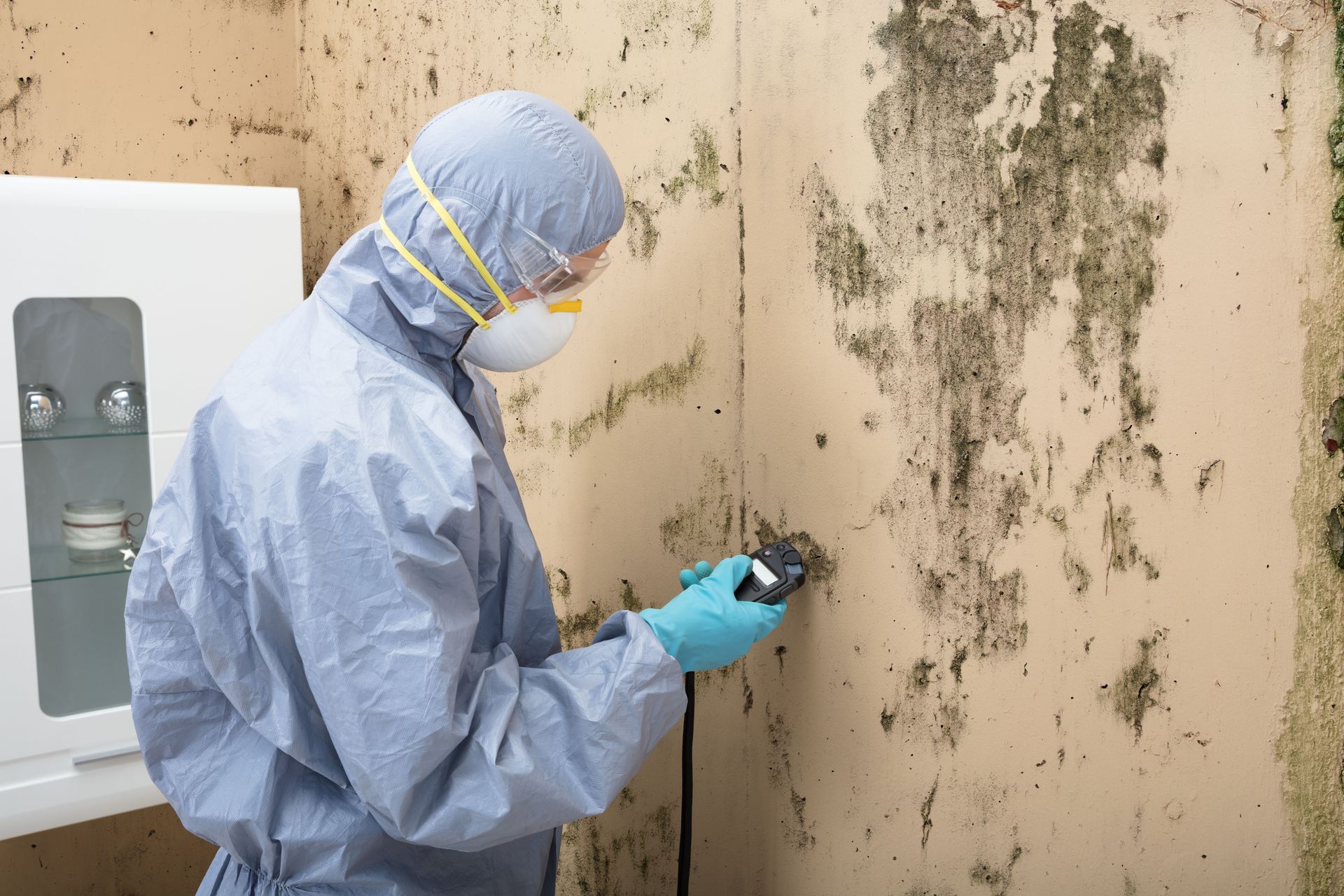
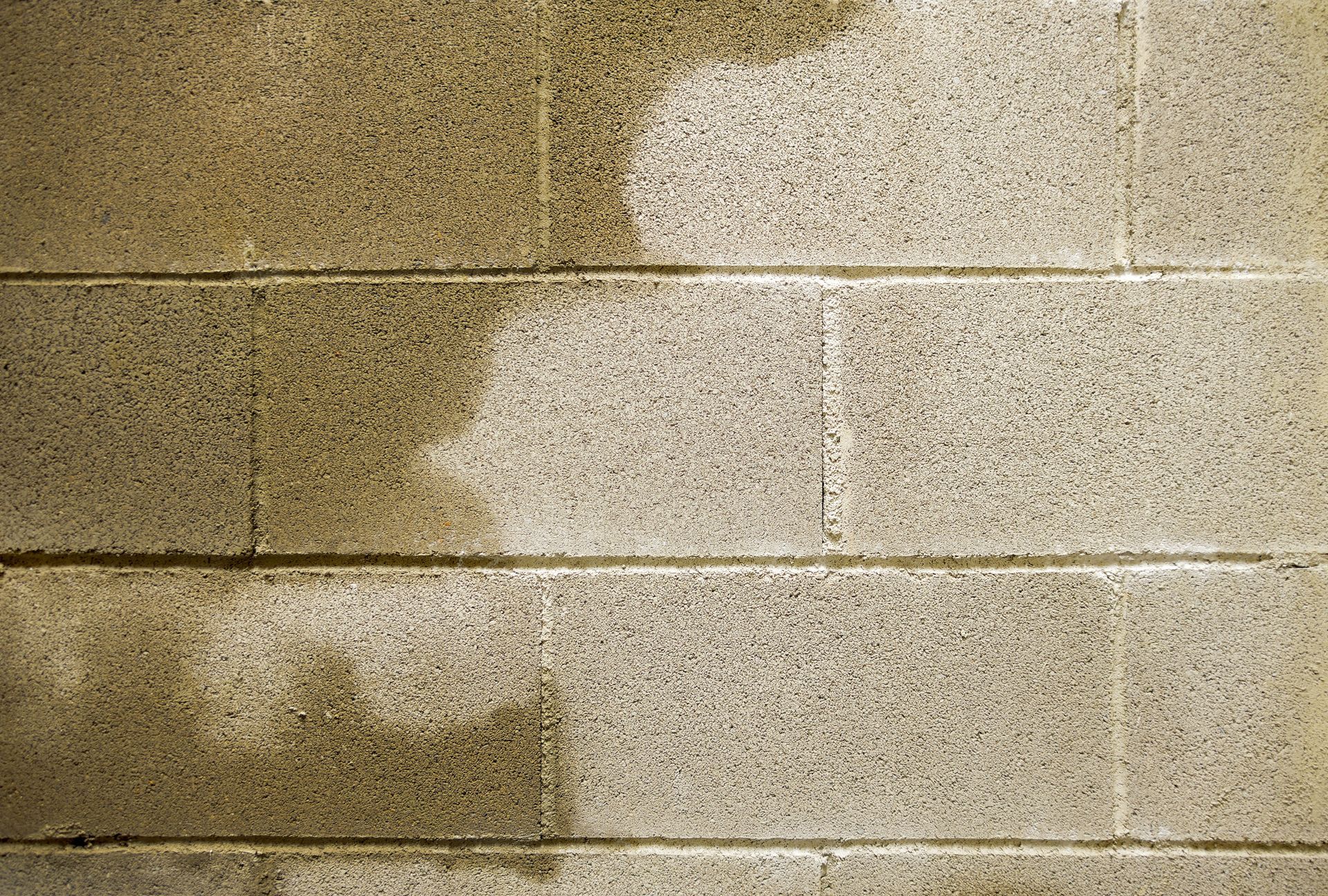
Evaluating the extent of water damage is a critical step in the remediation process. Professionals conduct thorough inspections to assess how deeply the water has penetrated walls, floors, and other structures. They use advanced tools to measure moisture levels within materials to understand the full scope of damage. This assessment is pivotal to designing an effective remediation plan tailored to the unique needs of each situation. Without proper evaluation, some damage may remain hidden, causing ongoing structural issues.
Moisture mapping involves the use of technology and methods to pinpoint areas affected by water damage. It provides a visual representation of impacted areas, helping professionals plan precise remediation strategies. Moisture meters and infrared cameras are commonly used to create these detailed maps. This step is essential for ensuring that no area is overlooked during the drying process. A well-executed moisture mapping can significantly speed up the remediation process by targeting specific areas.
2. Water Extraction and Drying
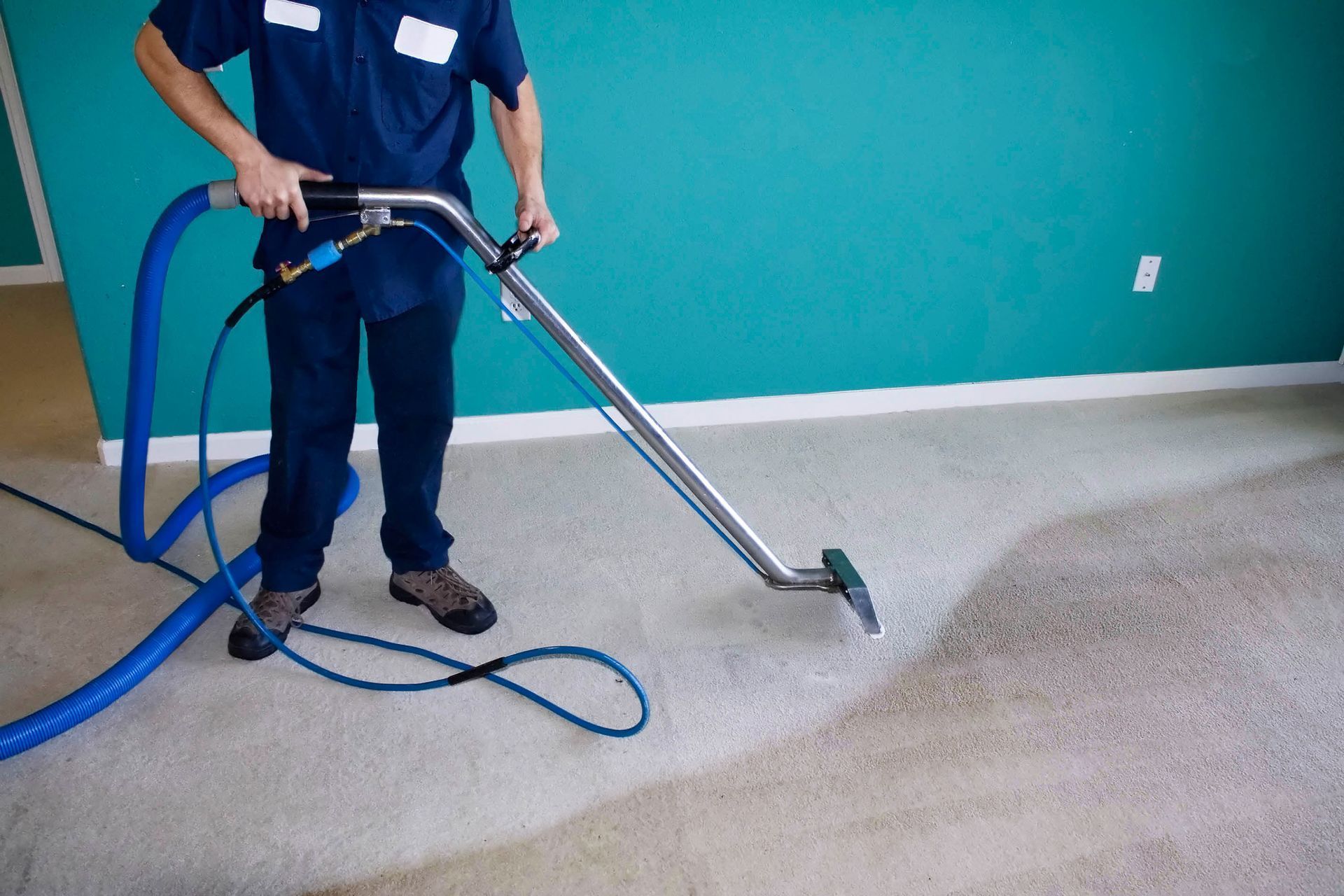
Quick water extraction is essential to prevent further damage and start the remediation process. Professionals employ various methods, such as submersible pumps and wet vacuums, to remove standing water efficiently. The quicker the water is removed, the lower the risk of mold growth and additional structural issues. In severe cases, portable extractors can handle large volumes of water to expedite the removal process. Immediate action in water extraction can significantly mitigate long-term damages and costs.
After initial water extraction, drying the area thoroughly is crucial, with industrial-grade dehumidifiers playing a leading role. These high-capacity machines are designed to handle large and heavily saturated spaces, removing moisture from the air. By maintaining an optimal humidity level, they prevent mold growth and ensure a faster drying process. The use of such equipment is critical in thorough water remediation and maintaining a healthy living environment. Deploying industrial dehumidifiers efficiently is an essential step in the drying phase.
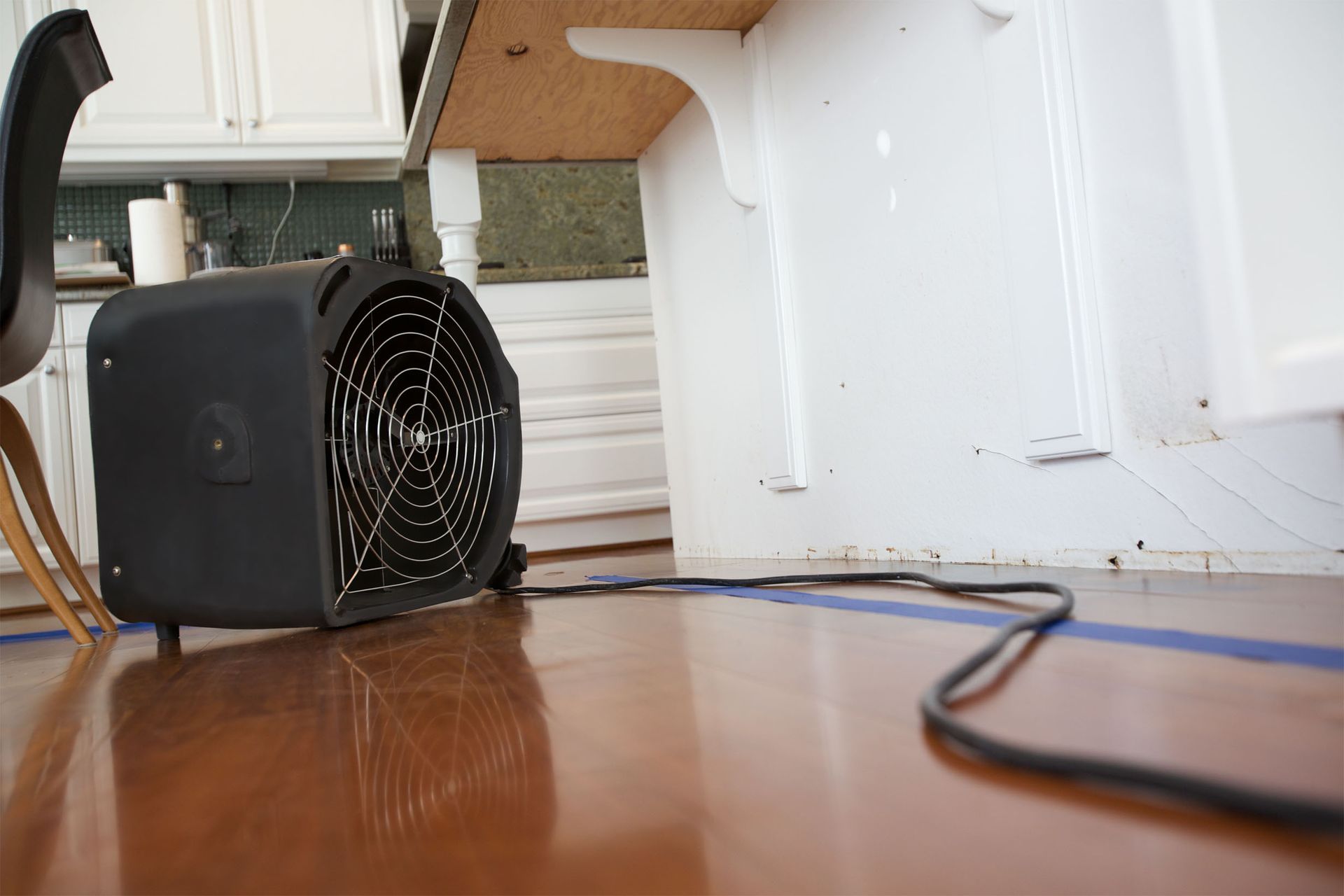
Air movement is a core component of effective drying strategies in water damage remediation. High-velocity air movers and ventilators are used to boost airflow, facilitating moisture evaporation from affected surfaces. This process helps in evenly drying the area and reduces the chance of mold formation. Correct placement and usage of air movers accelerate the drying process, allowing for quicker restoration. Effective air movement and ventilation strategies ensure comprehensive and efficient drying results.
3. Mold Remediation and Prevention
Effective mold remediation begins with the precise detection and identification of mold species. Specialists use testing kits and laboratory analysis to categorize mold types for targeted treatment. Knowing the specific mold type helps tailor appropriate remediation techniques and prevents further spread. An accurate identification ensures that all areas impacted by mold are appropriately treated. Comprehensive mold detection forms the basis of effective remediation and the prevention of recurring issues.
Containing mold spores is critical during the remediation process to prevent cross-contamination. Techniques such as sealing affected areas with plastic sheeting and using negative air pressure systems are employed. The goal is to isolate the affected zones so that the mold doesn't spread to untainted areas. Proper containment is a pivotal step to ensure safety and efficiency during mold removal. It ensures that remediation efforts are focused and that the rest of the home remains unaffected.
Removing mold safely requires specific practices to protect the integrity of the property and the health of its occupants. Professionals are equipped with protective gear and utilize safe cleaning methods to remove mold effectively. Techniques vary based on the intensity of the mold growth, with some requiring extensive removal of affected materials. Using HEPA filters and vacuums ensures the capture of mold spores and the prevention of further spread. Implementing safe removal practices is crucial in successful mold remediation and prevention.
4. Restoration of Damaged Structures
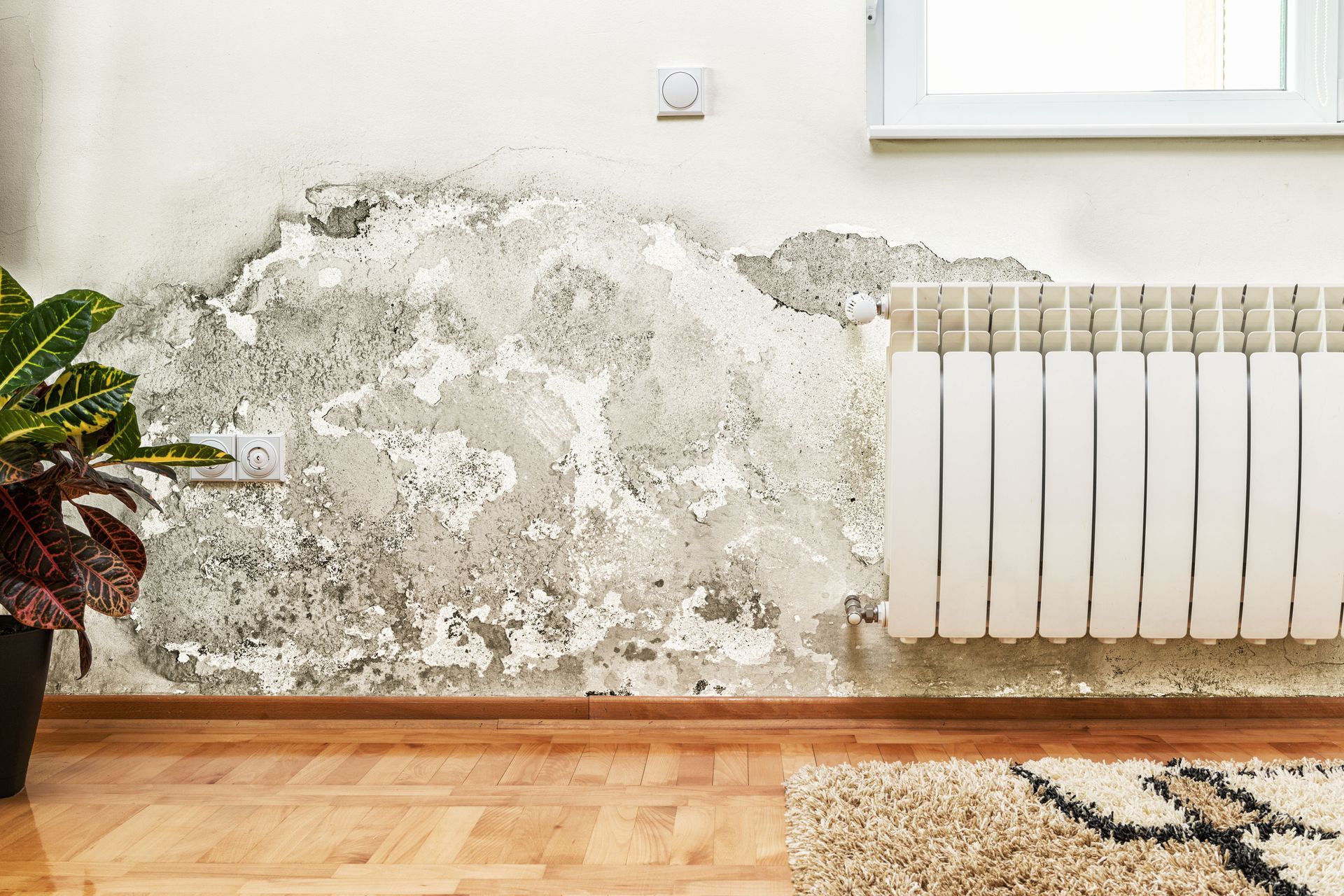
Repairing water-damaged walls is a critical aspect of the restoration process. Professionals assess the damage and decide whether repairs or complete replacements are necessary. Utilizing materials that are resistant to moisture damage can help fortify the walls against future water issues. The restoration process might include repairing wall studs or replacing drywall to ensure structural integrity. Rebuilding efforts are essential to restore the home's aesthetics and functionality after water damage.
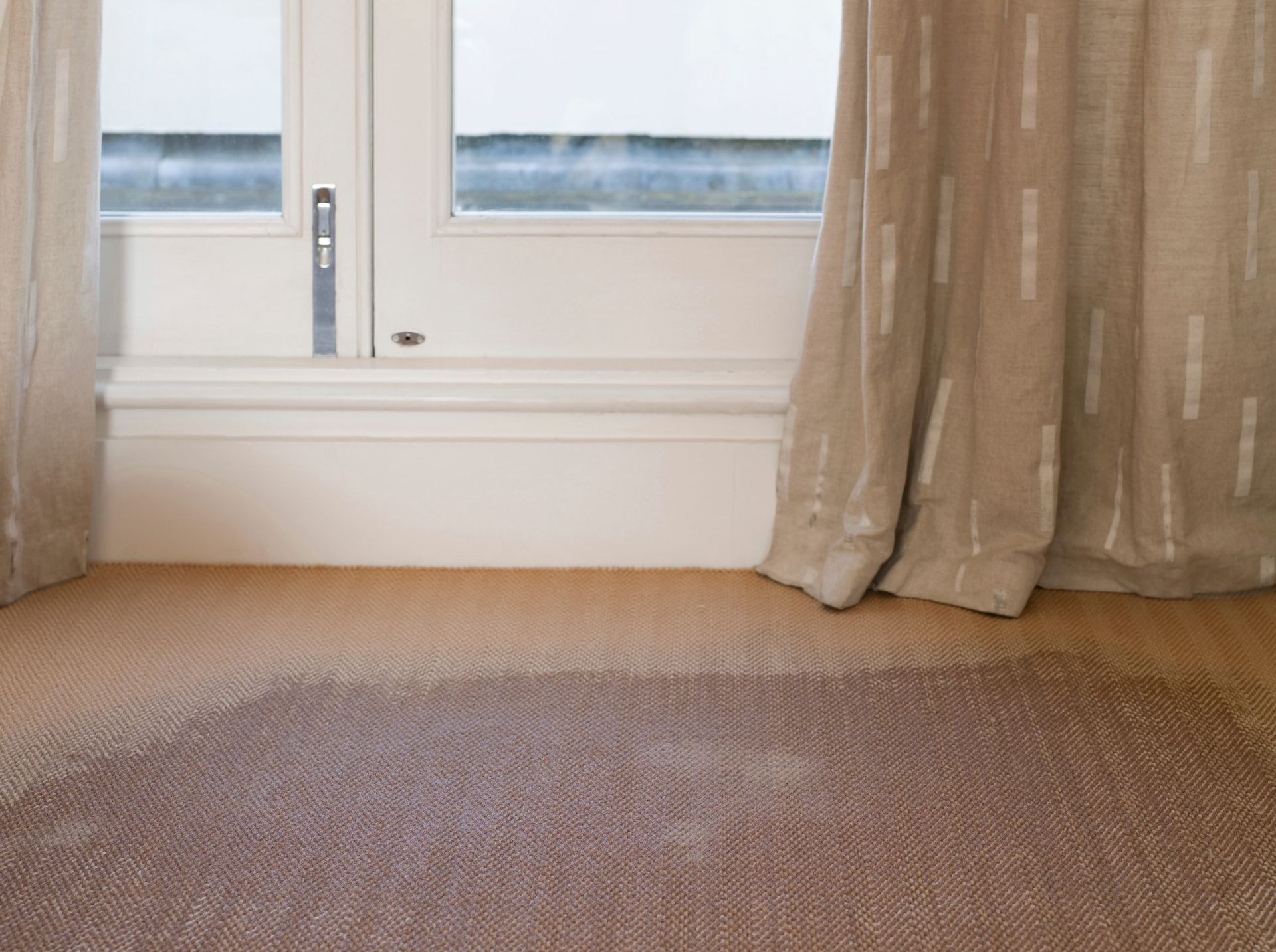
Flooring restoration after water damage can involve various methods based on the material and extent of damage. Options include drying and cleaning existing flooring, replacing sections, or installing entirely new flooring. Professionals may suggest materials better suited to withstand future water exposure, such as tiles or treated wood. It's crucial to ensure that the subfloor is also assessed and repaired as necessary to avoid hidden damage. Flooring restoration approaches are tailored to provide both durability and visual appeal.
Dealing with water-damaged ceilings involves ensuring structural safety and returning the ceiling to its original condition. Repairs can include patching, painting, or replacing entire sections based on the damage severity. Experts assess the risk of further leaks and take measures to prevent ceiling water intrusion in the future. This restoration ensures that ceiling aesthetics and safety are upheld, preserving both appearances and structural soundness. Attention to detail in ceiling repairs contributes to comprehensive home restoration.
5. Secondary Damage Concerns
Unaddressed water damage can create an attractive environment for pests, necessitating preventative measures. Standing water and damp areas provide breeding grounds for insects such as mosquitoes and termites. Professionals evaluate at-risk areas and recommend sealing potential entry points or applying treatments. Ensuring proper drainage and immediate repairs can also deter pests from invading a property. Preventing pest infestations is an important aspect of addressing secondary damage concerns following water intrusion.
Water damage often leaves behind musty odors that require thorough attention to mitigate. Deodorizing strategies, such as using ozone machines and specialized cleaning agents, can effectively eliminate unpleasant smells. These treatments neutralize odor sources, making the living environment more pleasant and natural. Addressing odors is a crucial step to ensure that indoor air quality isn't compromised by lingering smells. Professional odor management contributes to successful long-term remediation outcomes.
Ensuring safe indoor air quality post-remediation involves continuous monitoring and appropriate interventions. Water damage can lead to the accumulation of mold spores and other pollutants that affect air quality. Professionals conduct air quality assessments to identify potential hazards and implement solutions such as HEPA filtration. Maintaining optimal air quality is vital to health and well-being, and careful evaluation is necessary for a thorough remediation process. Evaluating and addressing issues is an integral part of ensuring a safe home environment.
Effective
water damage remediation services involve a comprehensive approach that not only addresses existing problems but also prepares the home for preventing future incidents. From initial assessment to long-term prevention, each step ensures thorough treatment and protection. Understanding these essential services empowers homeowners to safeguard their properties against the ongoing risk of water intrusion and its consequences. By staying informed about preventive measures, homeowners foster resilient defenses for secure living environments. Through education and proactive strategies, individuals ensure their homes remain safe and dry for generations to come. Contact ServicePros of Northern Virginia today for more information.